

The Healing Benefits of Cancer Massage Therapy: What the Research Says

Recent clinical studies confirm that cancer massage therapy offers measurable relief from some of the most difficult side effects of cancer treatment. This post reviews what the current evidence says, how oncology massage differs from a standard session, and what credentials to look for when seeking this care. For patients in the Washington Township, NJ, area, understanding the research can help guide an informed conversation with your oncology team.
Massage therapy has moved from the margins of supportive cancer care into the mainstream of integrative oncology. Major cancer centers now offer it alongside nutrition counseling, acupuncture, and exercise programming, and professional societies have begun issuing formal guidance on when and how it should be used. That shift did not happen by accident. It followed a decade of increasingly rigorous trials showing that carefully adapted touch therapy can measurably ease the symptom burden of treatment.
What the 2025 Research Says About Cancer Massage Therapy
A 2025 meta-analysis published in the Journal of Clinical Nursing found that massage therapy benefits patients with cancer by improving pain, quality of life, and anxiety. The review analyzed thirty-six randomized controlled trials involving 3,671 participants.
A 2026 umbrella review in Current Oncology Reports synthesized findings across 15 systematic reviews, examining effects on pain, fatigue, anxiety, sleep, and quality of life. The breadth of outcomes studied underscores how wide-ranging the benefits may be.
On fatigue specifically, massage may improve circulation, relax muscles, and reduce cancer-related exhaustion, one of the most common complaints among patients receiving chemotherapy. For anxiety and nausea, cancer massage therapy has shown promise in lessening both physical and psychological symptoms, including pain, stress, nausea, and depression.
A large study of nearly 1,300 patients found that massage helped reduce symptoms of cancer treatment by approximately 50 percent. Researchers note that evidence quality varies and that massage works alongside, not instead of, medical treatment.
How Oncology Massage Differs From a Standard Massage
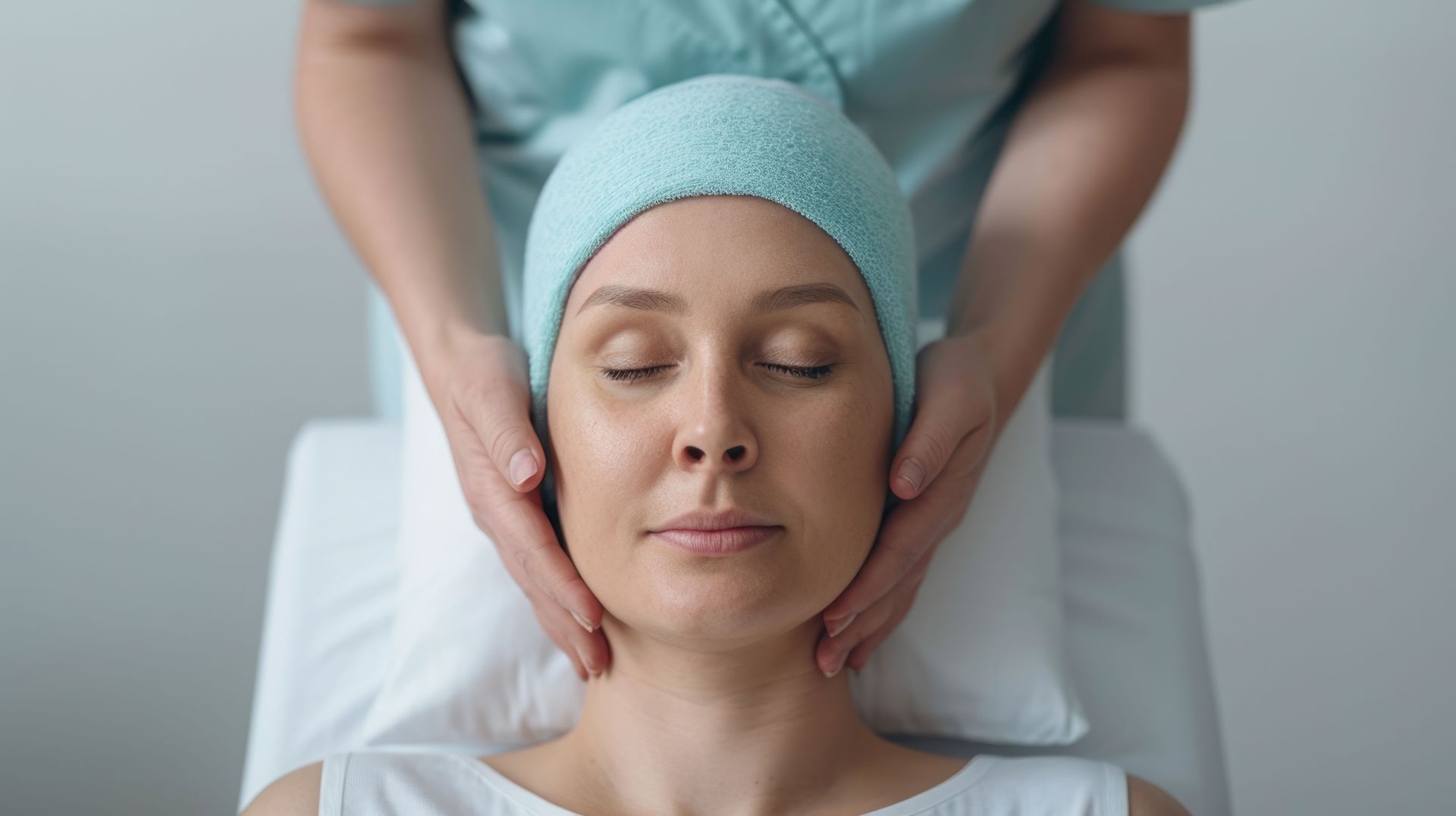
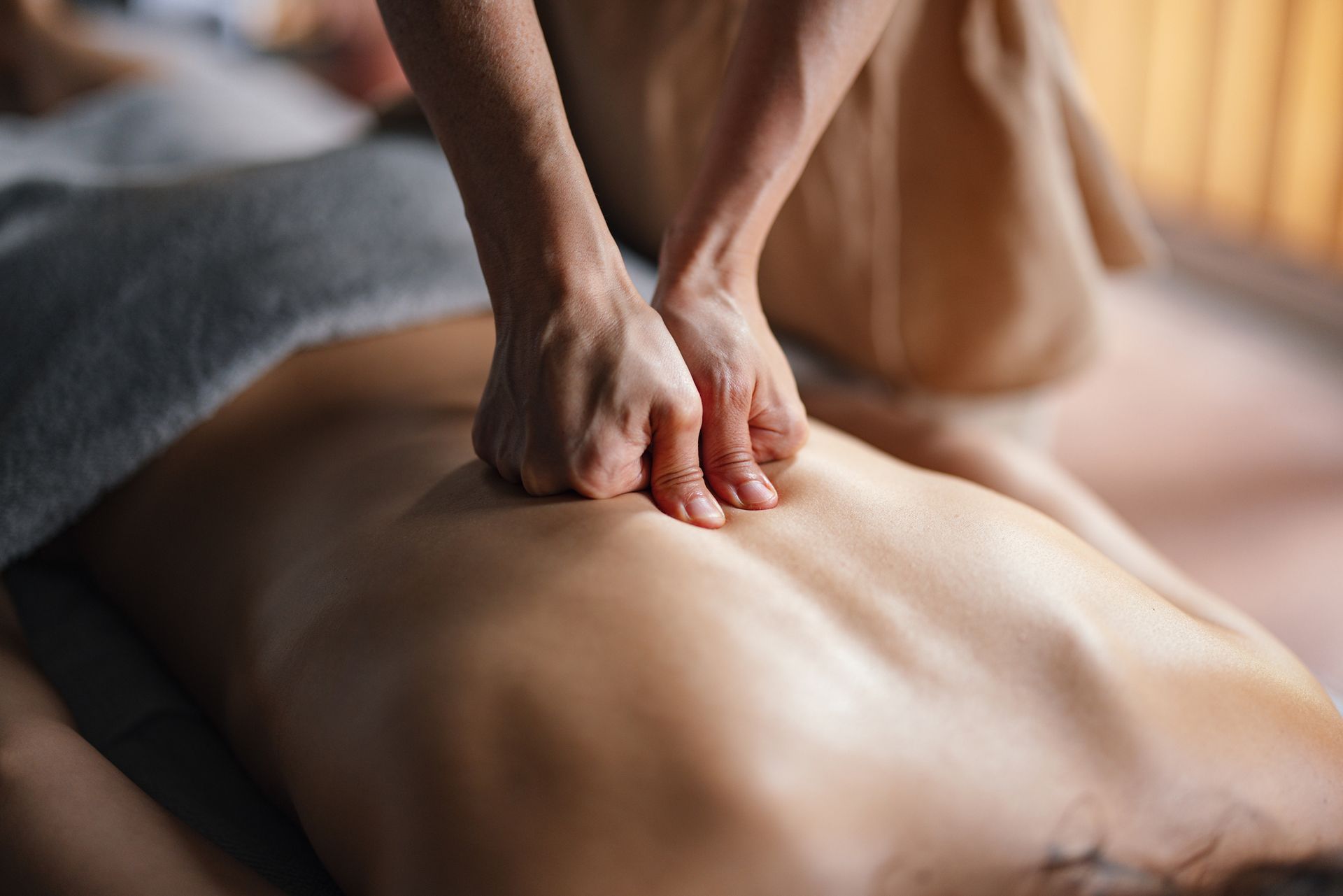
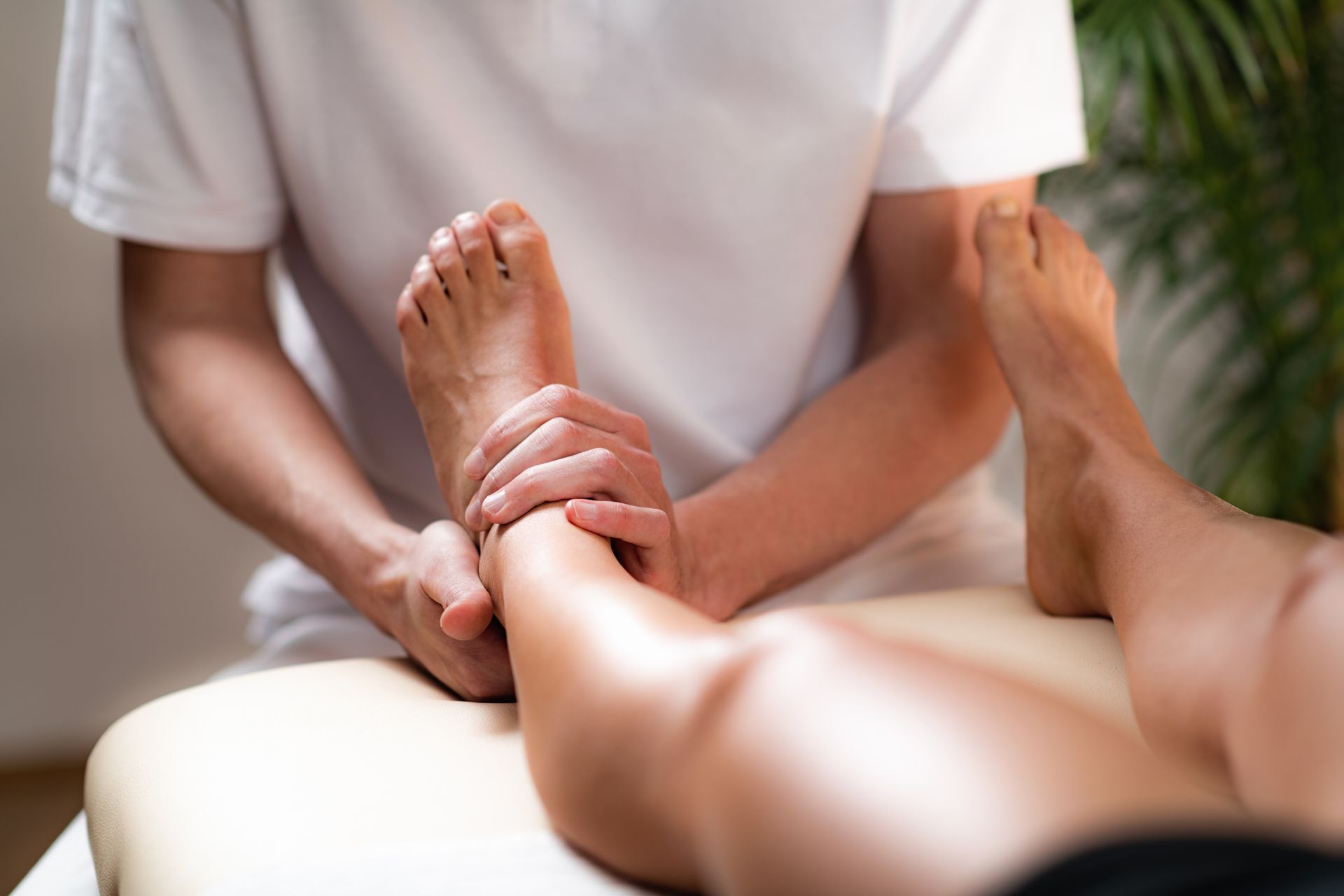
Oncology massage is a clinically adapted approach, not a spa treatment. Therapists modify pressure, site, positioning, and speed to match the client's diagnosis, treatment plan, side effects, and overall health. A regular Swedish or deep-tissue session does not account for any of these factors.
Pressure is one of the most critical differences. Therapists avoid deep pressure, vigorous stretching, or heat over at-risk regions, instead using gentle strokes that support lymph flow. The Society for Integrative Oncology recommends caution near cancer lesions, enlarged lymph nodes, radiation field sites, IV catheters, and anatomic distortions.
Positioning also matters. Oncology massage must account for pain, breathlessness, drains, ports, PICC lines, ostomies, lymphedema, and surgical or radiotherapy fields. A standard table setup does not accommodate these needs.
Treatment plans may also evolve week to week depending on fatigue levels, blood counts, pain, and emotional state. This level of individualization is what sets oncology-trained practitioners apart.
What Credentials Should You Look For?
Proper training is essential. Therapists with additional training in cancer massage therapy have an informed understanding of how cancer and its treatments, including surgery, chemotherapy, and radiation, affect the body.
Look for practitioners who have completed dedicated oncology massage continuing education, covering contraindications, pressure adjustments, site restrictions, and collaboration with the oncology team. The Society for Oncology Massage provides training specific to clinical assessments, adaptations for patients with cancer or a history of cancer treatment, and recommendations based on tumor site, metastasis, lymph node involvement, fragile tissue, and medical devices.
Always confirm that your therapist has cleared their approach with your oncology team. Certain conditions may require adjustments or even contraindicate massage entirely.
Common Questions
Can Massage Therapy Spread Cancer Cells?
There is no credible evidence that massage spreads cancer. The spread of cancer involves complex biological processes, not mechanical pressure. Many patients find cancer massage therapy improves psychological well-being and relieves treatment-related symptoms. Research continues to dispute the myth that massage causes metastasis through the lymphatic system.
What Pressure Is Safe During Oncology Massage?
Safe pressure is generally much lighter than in a standard session, and stroke speed is slower to support nervous-system down-regulation and allow real-time monitoring. Adverse effects can often be prevented through awareness, modified touch, and adjusted positioning. Your therapist will assess your current treatment phase, blood counts, and any affected areas before each session.
Talk to Your Care Team and Take the Next Step
Cancer massage therapy may offer meaningful comfort during one of the hardest experiences a person can face. Clinical evidence suggests it can help reduce fatigue, anxiety, nausea, and pain when delivered by a trained practitioner working in coordination with your oncology team.
If you are in Washington Township, NJ, or the surrounding communities and looking for supportive care options that complement your medical treatment,
Salib Oncology is here to help. Visit our
contact page, or call us at
(610) 330-2630 to speak with a member of our team.